If you’ve ever stared at a retinol label and thought, “Is this actually worth it, or is it just hype?” — you’re not alone. Retinol is one of the most talked-about ingredients in skincare, and for good reason. The short answer to is retinol good for your skin is a resounding yes — but the fuller answer depends on your skin type, your life stage, and how you use it. This guide covers all of it.
Quick Answer: Retinol is a powerful, evidence-backed skincare ingredient with many benefits, including brighter skin, anti-aging effects, and acne prevention. Derived from vitamin A, this multitasking ingredient is a form of retinoid. It works best when introduced gradually, used at night, and paired with daily sunscreen.
What Exactly Is Retinol, and How Does It Work Inside Your Skin?
Retinol is a vitamin A derivative that is involved with skin turnover and skin regulation. Think of it less like a surface polish and more like a software update for your skin cells — it doesn’t just clean up what’s already there, it changes the instructions your cells follow going forward.
When you use retinol (or a topical retinoid), it absorbs into your skin and is converted into its active form, retinoic acid. Retinol converts to retinoic acid in your skin, which activates genes that produce collagen while simultaneously suppressing the enzymes (matrix metalloproteinases, or collagen-breaking proteins) that break collagen down.
Retinoic acid binds to nuclear receptors (RARs — special proteins inside the cell nucleus) in fibroblasts — the cells responsible for producing your skin’s structural proteins. This binding upregulates genes for type I and type III procollagen, essentially telling your cells to manufacture more of the scaffolding that keeps skin firm.
Here’s a useful way to picture it: your skin’s collagen network is like a dense weave of support cables running beneath the surface. Retinol acts as the engineer who both repairs fraying cables and shouts instructions to the factory floor to produce new ones — while also silencing the wrecking crew that tears them down.
One of retinol’s main roles is to speed up skin cell turnover, helping your skin shed dead cells. Meanwhile, retinol increases glycosaminoglycan (moisture-binding sugar molecule) expression, which helps your skin retain moisture for a plumper, more hydrated appearance.
Lesser-known fact: Retinol was discovered in 1909, isolated in 1931, and first synthesized in 1947 — making it one of the most studied skincare ingredients in history, with decades of clinical evidence behind it.
Is Retinol Good for Your Skin at Every Life Stage?
One of the most common questions dermatologists hear is whether retinol is appropriate right now — given someone’s age, skin condition, or season of life. The answer is nuanced, and this is where situational context really matters.
In Your 20s: Prevention Over Correction
Your mid-to-late 20s are actually an ideal time to start. Starting in early adulthood, the body’s collagen production begins to decrease, and over time this leads to more aged-looking skin. Beginning retinol in your 20s means you’re getting ahead of that curve rather than playing catch-up. Whether you’re dealing with acne in your 20s or combating wrinkles in your 40s, there’s a retinol formulation that can help.
If you’re curious about what retinol does to younger skin, the short version is that early use helps maintain collagen density before it starts declining — think of it as a long-term investment rather than a quick fix.
In Your 30s and 40s: Anti-Aging and Texture
This is when most people notice their first fine lines, uneven texture, or dullness. Retinol is particularly effective here. A University of Michigan study on topical retinol found that after 24 weeks, retinol-treated skin showed a fine wrinkling score improvement of -1.64, compared to just -0.08 in the vehicle (inactive formula) group.
Retinol improves skin suppleness by eliminating damaged elastin fibers, activating fibroblasts to produce collagen fibers, increasing fibroblast number, and stimulating angiogenesis (the growth of new blood vessels that deliver nutrients to skin cells).
In Your 50s and Beyond: Thickening, Not Thinning
Many people in this life stage worry that retinol might make already-thinning skin more fragile. This is actually a myth worth busting directly. While the outermost layer of dead skin cells sheds faster — sometimes causing temporary flaking — the deeper layers of your skin (the dermis) are actually getting thicker. Topical retinoids stimulate collagen production, increasing dermal density and building a more resilient skin foundation over time.
For a deeper look at this misconception, our article on retinol and skin thinning breaks down the science in full.
What Does Retinol Actually Do for Your Skin? The Full Benefit List
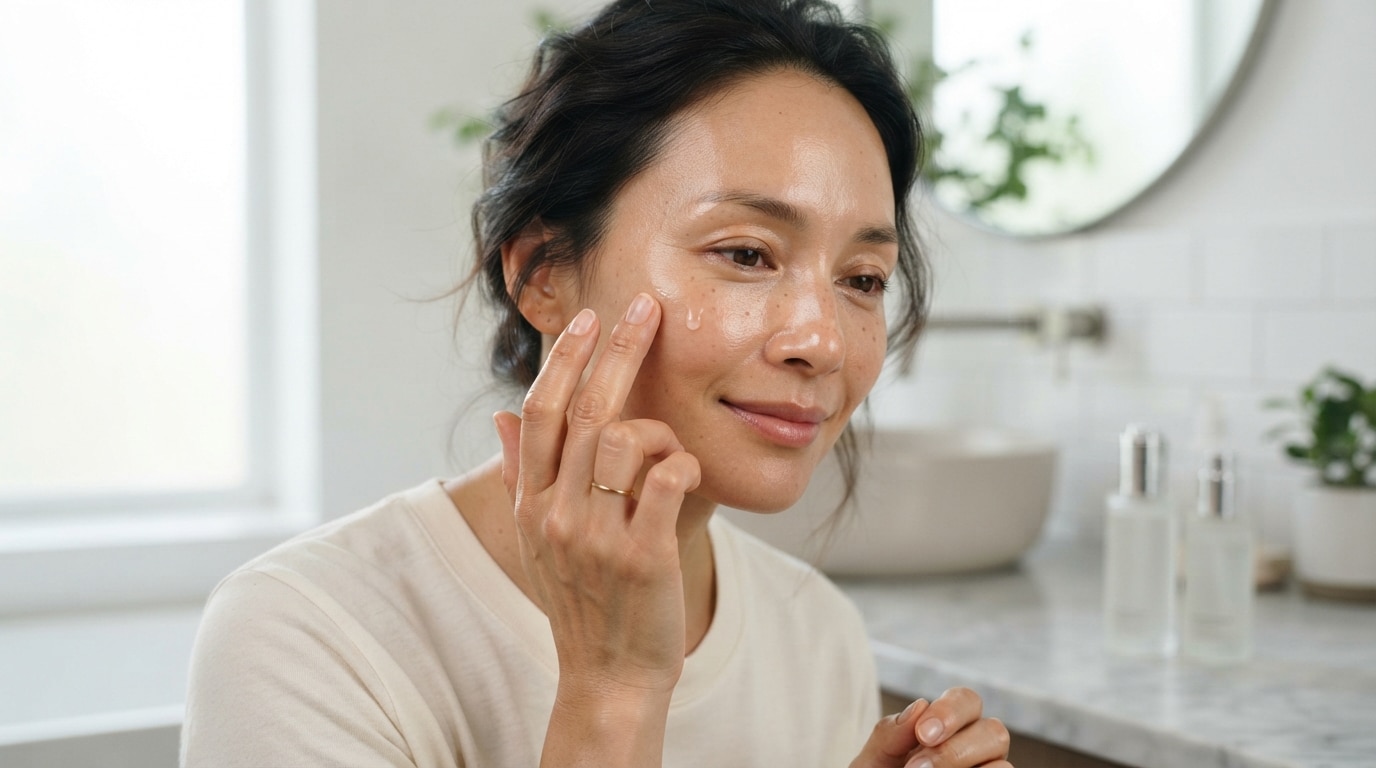
Wondering about all the specific changes you can expect? Here’s what the research shows, and what retinol does for your skin across multiple concerns:
- Reduces fine lines and wrinkles: Retinol promotes collagen production and boosts cell turnover, helping to battle signs of aging like sagging skin, wrinkles, and fine lines.
- Fades hyperpigmentation: Retinol and other retinoids help reduce hyperpigmentation — the appearance of dark spots on the skin. Hyperpigmentation occurs when the body produces too much melanin, the pigment that gives skin its color. Retinol can regulate melanin production to reduce this discoloration. Retinoids can reduce skin discoloration and pigmentation by up to 60%, according to research published in a comprehensive retinoid review.
- Clears and prevents acne: Retinol helps keep pores clear by reducing the buildup of skin cells, and it can block inflammation pathways in the skin.
- Improves skin texture: Beyond wrinkles and dark spots, retinol genuinely transforms the way your skin looks and feels day to day. Retinol can also help treat keratosis pilaris (a condition causing rough, bumpy skin texture) by smoothing the skin’s surface.
- Boosts hydration over time: A buildup of dead skin cells can leave your skin drier than you’d like. Removing those dead cells, with the help of retinol, can lead to more hydrated skin.
- Strengthens the skin long-term: Regular retinol use thickens the dermis over time. That matters because skin naturally thins with age, becoming more fragile and prone to damage.
- Minimizes pore appearance: Topical retinol treats large pores by increasing skin cell turnover — which makes your skin thicker — and preventing the development of clogged pores.
Insider tip: Even lower concentrations can have meaningful benefits. Research from 2020 suggested 0.3% and 0.5% retinol serums can help reduce hyperpigmentation and uneven skin tone. You don’t need to jump straight to the highest percentage to see results.
Seasonal and Situational Considerations: When and How to Use Retinol
Retinol isn’t a “set it and forget it” ingredient — the season, your environment, and your current skin state all affect how you should use it. Have you ever started a new retinol routine in winter and wondered why your skin suddenly felt like crepe paper? That’s not a coincidence.
Winter and Cold Weather
Cold, dry air already stresses the skin barrier, so introducing retinol at full strength during winter can amplify dryness and irritation. The smartest move is to start at a lower concentration (0.025%–0.05%), use it every third night, and layer a rich moisturizer on top. This “sandwich method” — moisturizer, then retinol, then moisturizer — significantly cushions the adjustment period.
If you’re already noticing dryness from your current retinol routine, our guide on retinol and skin dryness walks through exactly why it happens and how to fix it.
Summer and Sun Exposure
Apply retinol at night, use moisturizer, and wear sunscreen during the day to protect your skin. This is especially critical in summer. Because retinol can break down when exposed to sunlight, it’s best stored in a cool, dark space. Retinol can make skin photosensitive, so applying it primarily at night is advised — though products with retinol can be used during the day when combined with a broad-spectrum sunscreen.
Daily broad-spectrum SPF 30 or higher is non-negotiable when using retinol. This isn’t just a nice-to-have — it protects the new, fresh skin cells that retinol is working hard to produce.
During Pregnancy or Breastfeeding
This is a firm pause. La Roche-Posay, for example, recommends avoiding retinol products during pregnancy and while breastfeeding. Pregnant or nursing readers should check any retinol product with their doctor before use. Bakuchiol (a plant-derived ingredient with retinol-like activity) is a commonly recommended alternative during this period. A 2018 study in the British Journal of Dermatology found bakuchiol comparable to retinol in its ability to improve photo-aging, making it a good option for those who cannot use retinol.
Honest Pros and Cons of Using Retinol
No ingredient deserves blind enthusiasm. Here’s a balanced look at the tradeoffs so you can decide with clear eyes.
| Pros | Cons |
|---|---|
| Decades of clinical evidence behind it | Initial purging or peeling is common (usually 2–8 weeks) |
| Works on multiple concerns at once (acne, aging, texture, pigmentation) | Can cause dryness, redness, and sensitivity at first |
| Available over-the-counter in effective concentrations | Requires daily sunscreen use (which you should be doing anyway) |
| Builds long-term skin resilience and dermal thickness | Not suitable during pregnancy or breastfeeding |
| Results require patience — visible improvement typically takes 8–12 weeks | Not ideal for those with certain inflammatory skin conditions without derm guidance |
The peeling phase often alarms new users, but it’s worth understanding what’s actually happening. Our breakdown of why retinol makes your skin peel explains the mechanism and how long it typically lasts.
How to Apply Retinol Correctly (Step-by-Step)
Getting the application right is just as important as choosing the right product. Here’s a straightforward routine that minimizes irritation and maximizes results, especially useful if you’re new to retinol skin care.
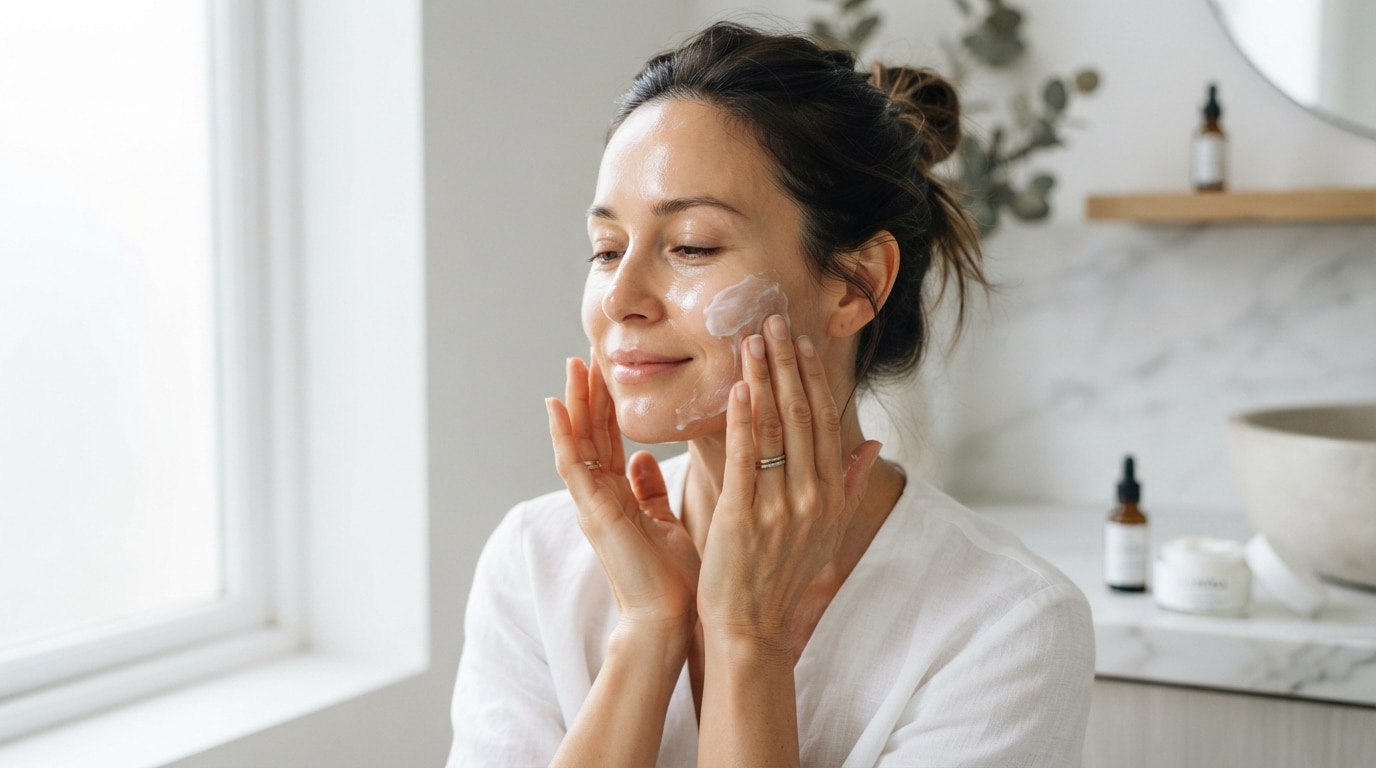
- Cleanse gently. Use a mild, non-stripping cleanser. Pat your face dry and wait 20–30 minutes before applying retinol — applying to damp skin increases absorption and can intensify irritation.
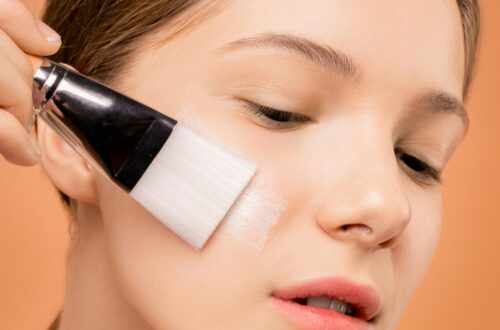
- Apply a pea-sized amount. Apply small dabs onto the forehead, cheeks, nose, and chin, then blend it all in. That’s truly all you need — using more doesn’t speed up results, it just increases the chance of irritation.
- Follow with moisturizer. After the retinoid, applying a non-occlusive moisturizer to the skin helps improve hydration and combat dryness.
- Use SPF the next morning — every day. No exceptions. This protects the fresh skin cells retinol is continuously producing.
Insider tip: What’s best for you depends on the results you’re looking to achieve, your skin type, your budget, and whether you’ve used retinol or retinoids before. If you have sensitive skin, buffering with moisturizer first and starting at once per week is the gentlest approach. For more tailored guidance, see our article on the best retinol options for sensitive skin.
Dermatologist-Recommended Retinol Products Worth Trying
These three products are verified on their brands’ official websites, chosen to suit different skin types and concerns.
Best for Post-Acne Marks & Sensitive Skin
Resurfacing Retinol Serum
Brand: CeraVe
Key Ingredients (per CeraVe): Encapsulated retinol to help resurface skin, plus licorice root extract to help brighten skin’s appearance. Also formulated with 3 essential ceramides to lock in moisture and help restore the skin’s protective barrier, along with soothing niacinamide.
Why it fits: Encapsulated retinol is retinol enclosed in a protective carrier that controls its release into the skin, improving absorption and stability while reducing the redness, peeling, and dryness associated with traditional retinol. It is a gentler option for those new to retinol or with sensitive skin. Ideal for anyone building up their first retinol routine.
Best for Fine Lines & Wrinkles
Retinol B3 Pure Retinol Serum
Brand: La Roche-Posay
Key Ingredients (per La Roche-Posay): This retinol serum combines concentrated pure retinol and vitamin B3 for optimal effectiveness while also being suitable for sensitive skin. Pure retinol is a derivative of vitamin A (retinoic acid) widely recommended by dermatologists. Niacinamide (vitamin B3) is a water-soluble vitamin that helps soothe and strengthen the skin alongside the retinol.
Why it fits: This anti-aging pure retinol face and neck serum leaves skin feeling smoother, hydrated, and renewed, and the look of lines, wrinkles, and premature sun damage is reduced. The dual retinol system (pure + gradual-release) makes it effective yet manageable.
Best Lightweight All-Skin-Types Option
Rapid Wrinkle Repair Retinol Renewal Serum
Brand: Neutrogena
Key Ingredients (per Neutrogena): Formulated with pure retinol in the form of vitamin A, carnosine (an antioxidant), and a soothing complex. The carnosine helps support the skin’s firmness and elasticity, and the soothing complex helps minimize potential irritation.
Why it fits: This lightweight retinol serum improves the look of fine lines, wrinkles, pores, texture, and firmness, leaving skin looking smoother, firmer, and more elastic. Clinically tested and suitable for normal, oily, dry, or combination skin, and free from parabens, mineral oils, and dyes.
Always do a patch test when introducing any new active ingredient to your routine. If you experience persistent stinging, rash, or severe redness, discontinue use and consult a dermatologist.
Frequently Asked Questions About Retinol
Can I use retinol every night from the start?
It’s not recommended for beginners. Starting with one to two nights per week allows your skin to build tolerance gradually. Experts recommend ramping up retinol use: start using this ingredient once a week and work up to using it daily. Jumping straight to nightly use is one of the most common reasons people experience excessive irritation and give up on retinol entirely.
Does retinol work differently on acne-prone skin vs. aging skin?
The mechanism is the same — accelerated cell turnover and pore clearance — but the benefits you notice first will differ. Many people with acne-prone skin use a retinol product for a smoother, clearer-looking complexion, and retinol is commonly used for mild to moderate acne. Early breakouts can happen as skin cell turnover increases, but persistent or severe acne should be evaluated by a dermatologist. For aging concerns, collagen-building effects tend to become visible around the 8–12 week mark.
Is retinol the same as tretinoin?
No — they’re related but not identical. Over-the-counter retinol must be converted by your skin into retinoic acid, while prescription tretinoin is already in its active form. It’s generally considered the gold standard for treating acne, hyperpigmentation, and photoaging, and it works directly on your skin cells without needing conversion. Tretinoin is more potent and faster-acting, but also more likely to cause irritation, and it requires a prescription.
Can retinol be combined with other actives like vitamin C or hyaluronic acid?
Hyaluronic acid pairs beautifully with retinol — applying a hyaluronic acid serum before your retinol can help buffer dryness. Vitamin C is best used in the morning while retinol stays in your nighttime routine, since both are potent and using them together can increase sensitivity. If you’re interested in pairing your retinol product with an AHA, consult your dermatologist to determine if using these ingredients together is right for your skin — when layered or alternated, AHA and retinol treatments can cause skin sensitization or discomfort for some users.
How long before I see real results from retinol?
Patience is genuinely required here. Texture improvements and pore refinement can appear within 4–6 weeks. Fine lines and pigmentation changes typically take 8–12 weeks of consistent use. Significant collagen remodeling — the deeper structural change — builds over months. It may take some time before you notice any results, but many consider those benefits worth the wait.
What should I do if retinol makes my skin peel?
Some flaking in the first few weeks is normal and a sign that cell turnover is accelerating. Reduce frequency, increase moisturizer, and avoid exfoliating acids at the same time. If peeling is severe or uncomfortable, take a full week off before reintroducing. Our dedicated guide on retinol-related skin peeling covers exactly what to expect and when to be concerned.
The Bottom Line: Is Retinol Good for Your Skin?
Yes — with important caveats. Retinol is one of the few skincare ingredients where the science genuinely matches the reputation. It addresses multiple concerns at once, works across skin types, and builds long-term skin resilience rather than just masking surface issues. But it demands a slow, consistent approach. Rush it, skip sunscreen, or pile on too many actives at once, and you’ll likely end up frustrated rather than glowing.
The best version of a retinol routine is one you can actually stick to: a low concentration, used a few nights a week, followed by a good moisturizer and morning SPF. From there, you build. For a complete look at fitting retinol into your nightly routine, explore our guide to retinol skin care and take it one step at a time.
If you have a persistent skin condition such as rosacea, eczema, or severe acne, check with a board-certified dermatologist before starting retinol — they can recommend the right formulation and concentration for your specific situation. For authoritative guidance, the American Academy of Dermatology and the Cleveland Clinic both offer peer-reviewed information on retinol use and safety.